| 1814–1829 | Practical steam locomotives and railways | Stephenson, Trevithick | Sparked global railway revolution |
The Birth of the Steam Locomotive
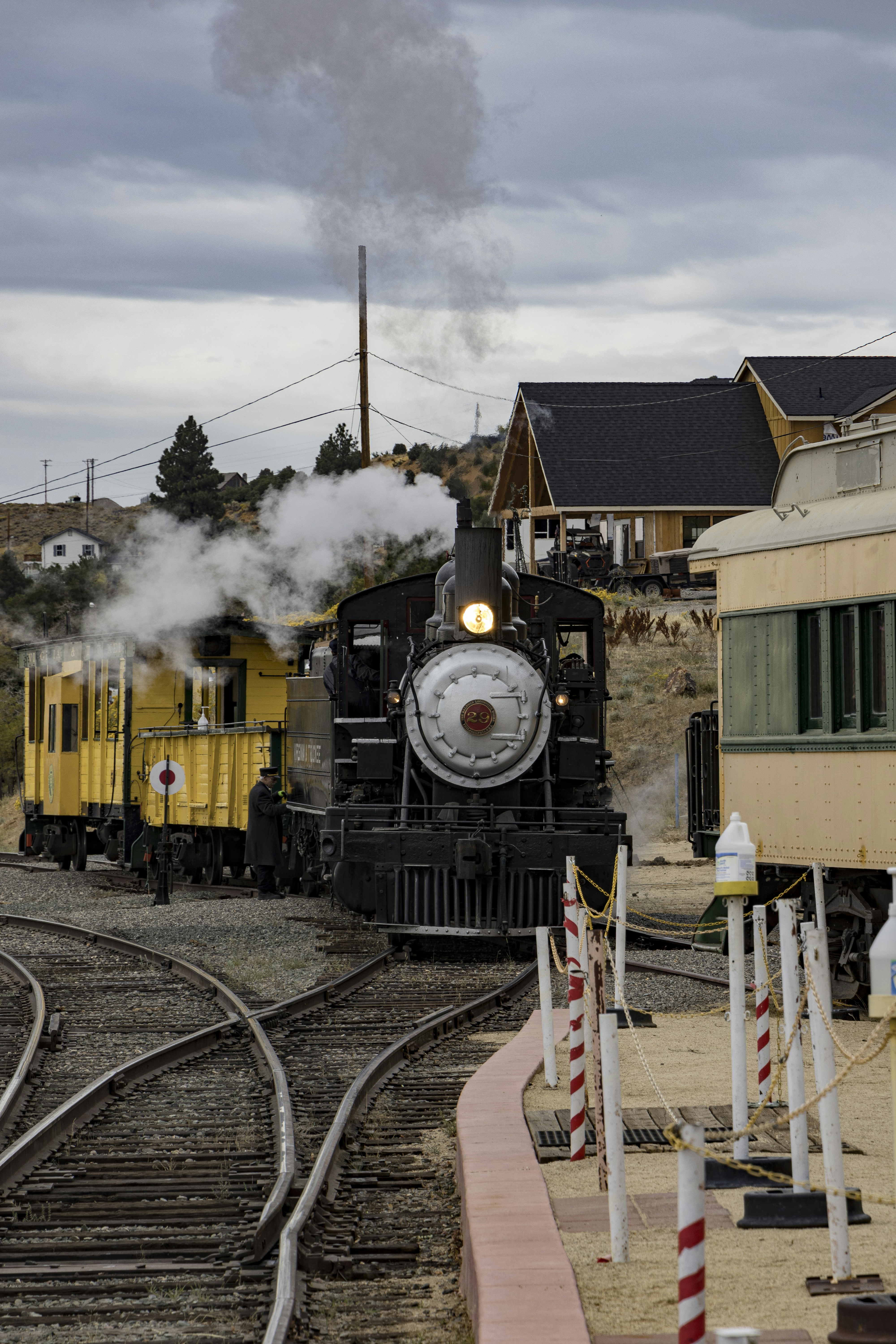
The inception of the steam locomotive during the early 19th century marked a significant milestone in the evolution of transportation. The period between 1814 and 1829 witnessed groundbreaking innovations by notable inventors such as George Stephenson and Richard Trevithick, who laid the groundwork for railway travel as we know it today. Steam power, which utilizes the energy generated from boiling water to drive pistons and wheels, was central to these early locomotives, transforming the possibilities of ground transport.
Richard Trevithick, an English engineer, is often credited with the creation of the first full-scale working railway steam locomotive. His pioneering locomotive, known as the Penydarren locomotive, was introduced in 1804. Although the initial attempts faced challenges, such as traction issues due to the locomotive’s weight, it served as a catalyst for subsequent innovations. These early steam engines were built with robust iron frames and employed high-pressure steam to generate increased power, thus addressing some of the mechanical limitations encountered by their predecessors.
George Stephenson, who followed Trevithick’s innovations, further advanced the steam locomotive design. He is widely recognized for developing the locomotive named Rocket in 1829, which became a benchmark for future designs. Stephenson’s adaptability of steam technology, focusing on improved wheel design and boiler efficiency, not only enhanced speed and reliability but also made steam locomotives more practical for commercial use. The success of the Stockton and Darlington Railway in 1825 demonstrated the potential of these machines, leading to a widespread embrace of steam-powered rail technology.
Despite the advancements, pioneers like Stephenson and Trevithick encountered significant challenges, from public skepticism to technical failures. Issues such as boiler explosions and the inefficiency of early rail tracks necessitated continual refinement of both the locomotives and the supporting infrastructure. Nevertheless, the developments from 1814 to 1829 solidified the steam locomotive as a revolutionary force that would forever change the landscape of travel and commerce across the globe.
George Stephenson, known as the “Father of Railways,” made monumental advancements in locomotive technology during the early 19th century. His most notable contribution, the “Locomotion No. 1,” was not only a groundbreaking steam locomotive but also a symbol of the industrial revolution. Completed in 1825, Locomotion No. 1 was designed to haul both passengers and freight, emphasizing the utility of steam-powered rail transport. This locomotive demonstrated significant innovations in its design, including its use of a multi-tubular boiler which allowed for better steam generation and increased power output.
Stephenson’s engineering prowess extended beyond locomotive design; he pioneered the use of standardization in railway engineering. Recognizing the need for consistency across railway systems, he pushed for uniform track gauges, which facilitated smoother operations and easier connections between different railway lines. This standardization was crucial as it encouraged the expansion of rail networks not only in Britain, but also abroad, influencing global railway systems.
Moreover, Stephenson’s emphasis on safety and efficiency led to the introduction of essential features in locomotive design, such as the steam-cutoff mechanism, which improved fuel efficiency. His commitment to developing reliable and powerful locomotives attracted investments for railway projects, leading to extensive railway construction during the era. As a result, the networks established under his guidance were capable of supporting larger volumes of traffic, transforming transportation methods in the 19th century.
Stephenson’s work laid the foundation for future generations of engineers, establishing essential principles of locomotive technology that remain influential to this day. His dedication to innovation not only revolutionized rail transport in his time but also left a lasting legacy that propelled the growth of a global railway system.
Richard Trevithick and the Pioneer Spirit
Richard Trevithick, a Cornish engineer and inventor, played a pivotal role in the early development of steam-powered locomotives. His work during the early 19th century is often seen as a cornerstone in the evolution of rail transport. Trevithick’s pioneering spirit was characterized by his innovative approaches to steam engine design, which laid the groundwork for future advancements in railway technology.
In 1801, Trevithick constructed an unprecedented steam locomotive known as the Penydarren locomotive. This remarkable machine was designed to operate on iron rails and was capable of pulling heavy loads, paving the way for the concept of rail transport. The locomotive demonstrated the potential of steam as a practical means of propulsion and marked a significant departure from traditional horse-drawn methods. Trevithick’s early experiments provided valuable insights into the mechanics and efficiency of steam engines, highlighting the importance of boiler design and locomotive weight.
The impact of Trevithick’s work extended beyond the immediate success of his locomotives. His bold experimentation with various designs challenged existing engineering norms and inspired a generation of inventors and engineers. Trevithick’s contributions catalyzed a wave of innovation, leading to improvements in locomotive technology and the broader railway system. Moreover, his emphasis on steam power encouraged others to explore its applications in various fields, furthering the industrial revolution.
Ultimately, Richard Trevithick’s innovative spirit and relentless pursuit of steam engine improvements played a vital role in transforming the landscape of rail transport. His legacy is evident in the subsequent development of more efficient and powerful locomotives, leading to the extensive railway networks that would shape global transportation in the 19th century and beyond.
The Global Impact of Steam Locomotion
The innovations brought forth by pioneers such as George Stephenson and Richard Trevithick in the early 19th century heralded a new era in transportation. The emergence of steam locomotion fundamentally altered not only the landscape of travel but also the economic and social fabric of numerous countries across the globe. By facilitating the swift movement of goods and people, steam locomotives became instrumental in shaping economic structures and fostering international trade.
One of the most significant outcomes of railway technology was its ability to connect previously distant regions. In places like the United Kingdom, the establishment of rail networks liberated communities from geographical constraints, allowing for the easier transport of agricultural products, raw materials, and manufactured goods. This newfound connectivity initiated the first phases of urbanization, as industries began to concentrate around railway hubs, leading to the creation of jobs and the migration of populations into cities.
Moreover, the impact of steam-powered railways extended well beyond Britain’s borders. Countries such as the United States, France, and Germany began to adopt railway systems in the 1830s and 1840s. In America, the expansion of the railway network contributed to the westward movement, diminishing the prevalence of isolation faced by frontier communities. On a global scale, railways catalyzed economic development, allowing nations to participate more actively in the emerging global market.
In addition to economic benefits, steam locomotion facilitated cultural exchanges between diverse populations, contributing to a more interconnected world. Passengers on railway journeys were not merely moving from one destination to another; they were also meeting individuals from various backgrounds, exchanging ideas, and ultimately reshaping societies. The steam locomotive thus served as a driving force behind an unprecedented period of transformation, ensuring the continuation of its legacy as a revolutionary technological advancement.
Leave a Reply
You must be logged in to post a comment.