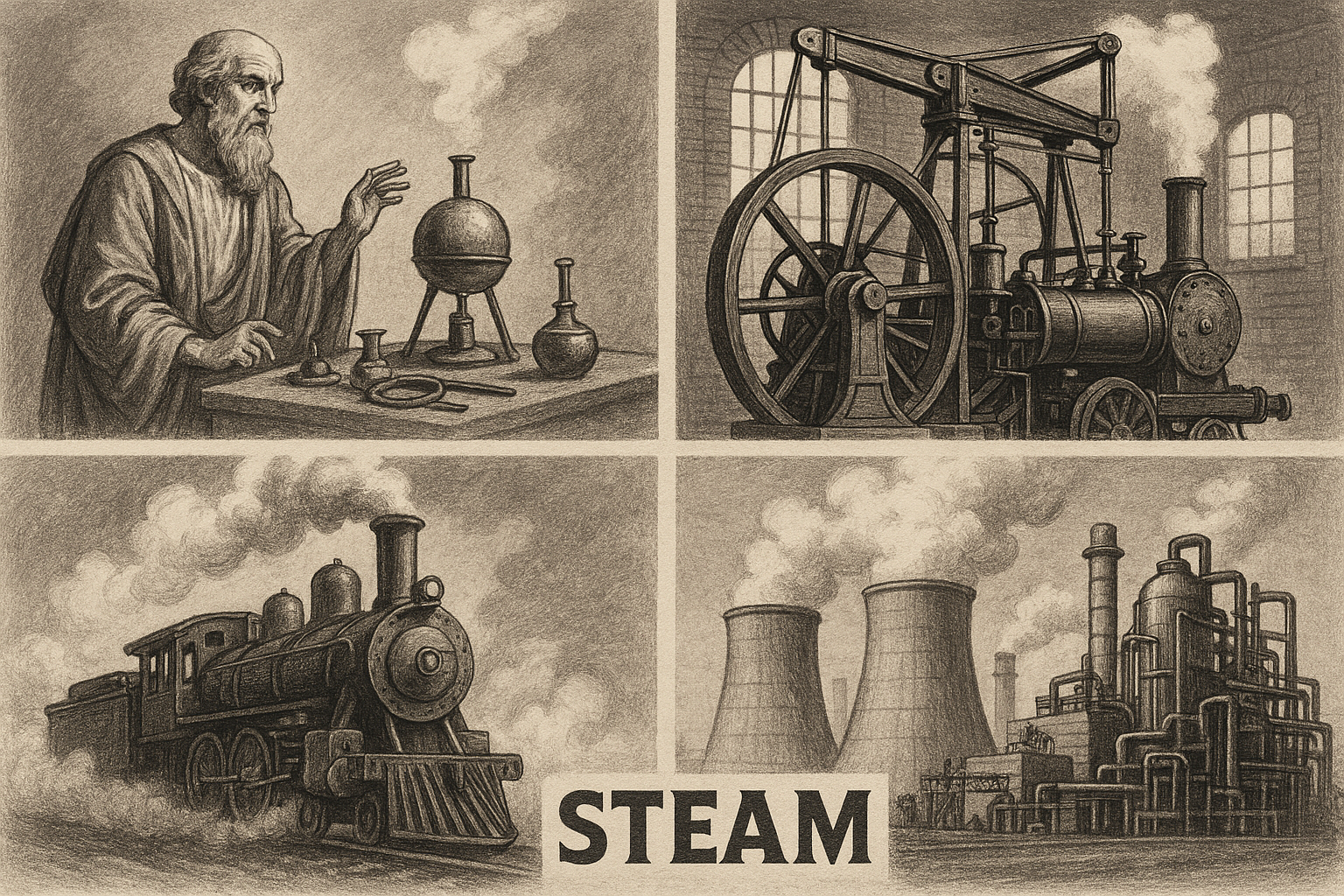
Explore some of the most fascinating train museums across the globe, from the National Railway Museum in York to the Kyoto Railway Museum in Japan. These institutions preserve the rich history of rail transport and showcase iconic locomotives that changed the world.
Introduction to Tourist Train Museums
Tourist train museums serve as invaluable repositories of railway heritage, celebrating the rich history and evolution of train travel. They offer a glimpse into the past, providing visitors with an opportunity to explore vintage steam engines, classic railcars, and other significant artifacts related to the rail industry. These museums not only display the technological advancements in locomotion over the decades but also highlight the cultural impact that railways have had on society.
Many tourist train museums are located in historically significant railway yards or former stations, enhancing the experience with context and authenticity. Visitors often have the chance to board these vintage trains, allowing them to imagine the journeys of passengers from bygone eras. The allure of riding on a steam engine evokes nostalgia, drawing enthusiasts of all ages into the captivating history of rail travel.
Furthermore, these museums play a vital role in preserving railway history. By showcasing the evolution from steam power to diesel and electric trains, they provide educational insights into the technological advancements that have occurred within the industry. In addition to static displays, many museums offer interactive exhibits and guided tours, making the learning experience engaging and informative. Whether it’s a child marveling at the impressive size of a locomotive or an adult recalling memories of train journeys, the connection established through these exhibits is profound.
Ultimately, tourist train museums are much more than mere collections of old trains; they serve as cultural landmarks that foster appreciation for the majestic journey of rail travel. These institutions cater to both railway aficionados and casual visitors, ensuring that the legacy of trains continues to inspire and educate future generations.
Top Tourist Train Museums to Visit
For enthusiasts and casual visitors alike, the world is adorned with an array of remarkable tourist train museums that offer a glimpse into the rich history of rail transport. Among them, the first notable mention is the National Railway Museum located in York, England. This museum boasts the largest collection of railway artifacts in the country, including the iconic Mallard locomotive, the fastest steam engine ever built. Visitors are treated to immersive experiences, including rides on heritage trains, VR experiences, and extensive exhibitions detailing the evolution of rail travel.
Another gem is the California State Railroad Museum situated in Sacramento, California. This vast museum covers the awe-inspiring story of the American railroad system and its significant impact on the nation’s development. With meticulously restored locomotives and cars, it provides a hands-on experience that captivates marvels of steam and diesel engines. The museum also organizes seasonal events and reenactments that showcase the life of railroad workers during the Golden Age of rail.
Moving to Australia, the Australian Railway Museum in Thirlmere is an essential stop for train lovers. The museum is home to an extensive collection of historic locomotives and rolling stock, including the famous locomotive no. 3801. Visitors can engage with interactive exhibits that narrate the country’s railway history, alongside the opportunity to take a ride on the heritage rail services that operate from the museum.
Lastly, the Deutsches Technikmuseum in Berlin, Germany, stands as a symbol of technological advancement in train engineering. This museum showcases not only trains but also other forms of transport and technology, making it an expansive educational destination. The unique feature of this museum is its hands-on exhibits that invite guests to explore the mechanics behind train technology.
Accessibility of Tourist Train Museums
Tourist train museums serve as vital cultural landmarks, showcasing the historical significance of rail travel. However, visiting these museums should also be an inclusive experience for everyone, including individuals with disabilities. Various facilities are implemented to enhance accessibility at numerous tourist train museums globally. These measures typically encompass ramps, elevators, and designated parking spaces, ensuring that visitors with mobility impairments can navigate the premises with ease.
In addition to architectural considerations, many museums offer assistance for those who may require help in accessing different exhibits. This often includes trained staff available to provide guidance and support during tours. Furthermore, tourist train museums increasingly incorporate sensory-friendly days and times, catering to individuals with sensory sensitivities by reducing ambient noise and the overall sensory experience.
Transportation options to these museums can also impact accessibility. Many have established partnerships with local transit authorities to provide accessible public transportation options, complete with low-floor buses and trained personnel. These arrangements help in ensuring that reaching the museum is as seamless as the experience within.
Guided tours tailored to various needs are also gaining traction in the realm of tourist train museums. Specially designed tours can accommodate groups with specific requirements, which may include tactile experiences for the visually impaired or customized pacing for individuals with cognitive challenges. Such initiatives help foster a more inclusive environment, allowing every visitor to appreciate the rich heritage of rail travel.
Ultimately, while not all tourist train museums may yet meet the highest standards of accessibility, numerous establishments are actively working towards improving facilities. By continuing to enhance access features and offering tailored experiences, these museums can ensure that they welcome a diverse array of visitors, celebrating the legacy of trains for generations to come.
Best Times of Year to Visit Train Museums
When planning a trip to train museums, choosing the optimal time of year can enhance your experience significantly. Generally, spring and fall are considered the best seasons to visit, as they offer mild weather and stunning scenery. During these months, visitors can enjoy pleasant temperatures, making strolling through open-air exhibits and outdoor train displays much more enjoyable.
Additionally, many train museums hold special events during peak seasons which may coincide with spring and fall. For instance, rail fairs, themed exhibitions, and steam days are often scheduled, providing unique opportunities to engage with the heritage and craftsmanship of train travel. Keep an eye on museum calendars, as attending one of these events can offer deeper insights into train history while maximizing your enjoyment.
Summer, while often bustling with tourists, can bring both joys and challenges. Many families visit museums during school vacations, which can lead to larger crowds. If you prefer a quieter experience, consider visiting during weekday mornings when attendance is generally lower. Conversely, summer also features various outdoor events and is often accompanied by extended hours for exhibits, making it an attractive option for some visitors.
Winter can have mixed results; whereas fewer tourists tend to visit, cold weather may limit outdoor activities. However, many train museums hold special winter-themed events around the holidays, transforming the museums into festive attractions. A winter visit can offer a unique and intimate experience often absent in busier times.
To summarize, the best times to visit train museums vary by personal preference. Whether you favor vibrant events, mild weather, or fewer crowds, there’s an optimal season for everyone looking to explore the rich world of train history.
Special Events and Activities
Tourist train museums are not only repositories of historical locomotives and artifacts; they also serve as vibrant venues for a variety of special events and activities that enhance the visitor experience. These events often provide opportunities for both education and entertainment, attracting train enthusiasts and families alike. By planning a visit around these activities, travelers can maximize the value of their experience at these unique museums.
Many train museums host guided train rides that allow visitors to experience the thrill of rail travel in vintage trains. These rides often take place on specially restored tracks, providing scenic views and a nostalgic atmosphere. Seasonal festivals are also popular in many train museums, celebrating the rich heritage of train travel with activities such as craft fairs, live music performances, and food vendors. These events typically align with public holidays or local anniversaries, offering special programming that reflects the traditions and culture of the area.
In addition to rides and festivals, educational workshops are frequently conducted, providing hands-on experiences related to both railroad operations and the history of trains. Workshops may cover a variety of topics, including model train building, the workings of steam engines, and even photography techniques for capturing the stunning visuals of trains in action. For families, children’s activities are often included, such as storytelling sessions, interactive exhibits, and arts and crafts that explore the fascinating world of trains.
Ultimately, planning a visit to a tourist train museum during one of these special events can significantly enrich the experience. Travelers should check the museum’s event calendar ahead of time, ensuring they have the opportunity to participate in these exciting offerings and create lasting memories.
Planning Your Visit: Tips and Tricks
Visiting a tourist train museum can be a delightful experience filled with history, nostalgia, and education. To make the most of your trip, careful planning is essential. Begin by checking the museum’s official website for ticket purchasing options; many institutions offer online sales that can save you time and sometimes even provide discounts. This ensures you avoid long queues on the day of your visit and can make the most of your time exploring the exhibits.
Timing is another critical aspect of your visit. It is generally advisable to arrive early in the day, especially on weekends or during school holidays, as museums may experience a higher volume of visitors. Early arrivals often lead to a more relaxed atmosphere and the opportunity to see exhibits without the rush. Additionally, consider visiting during off-peak days, typically weekdays, to enjoy a quieter experience.
Parking facilities can vary widely from one museum to another; therefore, it is best to research the parking options in advance. Some museums may offer dedicated parking lots, while others may have street parking or nearby public transportation connections. If you are traveling with a larger group or family, be sure to verify if the museum can accommodate your transportation needs.
When planning your day at the museum, it is essential to pack appropriately. Comfortable shoes are a must, as you may find yourself walking or standing for extended periods. A camera is also highly recommended to capture the remarkable sights and nostalgic ambiance typically featured at such museums. Furthermore, consider bringing water and snacks as you may want to take breaks during your visit.
Lastly, guided tours can provide valuable insights and enhance your experience. Many tourist train museums offer guided tours that delve deeper into the exhibits and provide historical context that enriches your understanding. You may want to check the museum’s schedule for available tours and any associated costs. Overall, a little preparation will go a long way toward ensuring an enjoyable visit to a tourist train museum.
Local Attractions Nearby
When planning a visit to tourist train museums, it is beneficial to explore the surrounding attractions that enhance the overall experience. These local points of interest not only provide a deeper understanding of the region’s history and culture but also can create a more enjoyable travel itinerary.
Many tourist train museums are situated near picturesque parks, which serve as serene locations for relaxation, picnicking, or even leisurely strolls. For instance, if you find yourself at the famous train museum in Cheyenne, Wyoming, take some time to explore the adjacent Lions Park. With its beautiful landscapes and recreational activities, Lions Park offers a perfect break after an informative visit to the museum.
In addition to parks, many train museums are located near historic sites that tell a story of the area’s rail heritage. Visitors to the California State Railroad Museum can easily take a short drive to visit the Old Sacramento Historic District. This region is rich in Gold Rush-era history and features shops, restaurants, and many original buildings from the 19th century.
Furthermore, dining options around tourist train museums often feature local cuisine that can offer visitors an authentic taste of the region. For example, close to the National Railroad Museum in Green Bay, Wisconsin, you will discover numerous dining establishments that feature traditional Midwestern fare. Trying local dishes can complement the cultural experience initiated by the museums.
Overall, integrating a visit to nearby attractions allows tourists to create a well-rounded journey. From parks offering relaxation to historic districts brimming with stories, visitors have numerous options to enrich their experience while exploring tourist train museums.
Personal Stories and Testimonials
The charm and allure of train museums often transcend the ordinary, offering visitors not just a peek into the history of rail transport, but also an opportunity to create unforgettable memories. Enthusiasts and families alike have shared touching anecdotes that highlight their unique experiences at these remarkable attractions.
One visitor, John Reynolds, who visited the California State Railroad Museum, recounted his childhood fascination with trains and how it was rekindled during his recent visit. “Walking through the exhibit felt like stepping back in time. The intricate details of the steam locomotives and the storytelling through the displays captivated me completely. I could practically hear the whistle of the trains from my youth,” he said. John’s experience emphasizes the nostalgia that many visitors feel, connecting their past with the rich history presented in the museum.
Similarly, the Whitcomb Locomotive Works in Ohio has garnered positive feedback from families. Emily Thompson told us about her family’s day spent there, “My children were enthralled by the large trains they could climb onto and explore. It was both educational and fun. We were able to learn about the engineering behind trains while enjoying quality time together. Plus, it sparked a discussion about how trains helped shape our towns and communities!” Her account illustrates how train museums can foster learning and engagement among diverse age groups.
Train enthusiasts also contribute valuable perspectives, as seen in the reflections shared by Mark Smith, who frequently visits the National Railway Museum in York. “Every visit reveals something new,” he stated. “Whether it’s a special exhibit or a workshop on model trains, there’s a wealth of knowledge. The community aspect, connecting with others who share the same passion, makes each visit special for me. This isn’t just a museum; it’s a vibrant community of history lovers!” His sentiment resonates with many who find camaraderie among fellow aficionados.
Conclusion: The Enduring Charm of Train Museums
As we delve into the world of tourist train museums, it becomes evident that these establishments are more than just repositories of historic locomotives; they serve as vibrant links to our collective past. The charm of train museums lies in their ability to transport visitors not only through time but also across various cultures and societal changes. These museums preserve the stories of innovation and engineering that shaped the very fabric of modern transportation.
Visiting a train museum offers a unique opportunity to appreciate the craftsmanship and dedication that went into building and operating these majestic machines. Each exhibit tells a story, reflecting the historical contexts in which these trains operated, the people who built them, and the passengers who traveled on them. Through interactive displays and knowledgeable staff, visitors can engage with the rich narratives surrounding rail travel, effectively igniting an interest in railway history.
Moreover, as one walks through the halls of a train museum, they can witness firsthand the evolution of technology and its impact on society. From steam power to electric engines, the journey through the history of trains showcases not just advancements in engineering but also shifts in social dynamics, economy, and culture. This immersive experience not only educates but instills a sense of nostalgia, reminding us of simpler times and the importance of preserving such heritage.
Ultimately, train museums stand as a testament to the enduring legacy of railways around the world. They invite us to explore, learn, and appreciate the cultural significance of the railway systems that once connected countries and communities. Therefore, whether you are a seasoned enthusiast of railway history or a casual visitor, embarking on a journey to a train museum is sure to enrich your understanding of this vital aspect of our shared past.
Leave a Reply
You must be logged in to post a comment.